JOHN DEERE Buck Carburetor 227048112817
fits model: 650. make: John-deere. year: 2005.
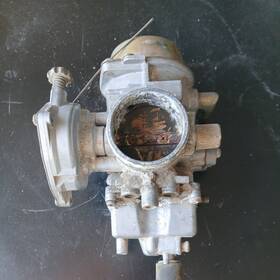
( Brand: John Deere ), ( Type: Carburetor ), ( UPC: 227048112817 )
Review JOHN DEERE Buck Oem Carburetor fits 650 2005
The **John Deere 227048112817 2005 Buck 650 Carburetor** is a precision-engineered component designed specifically for the iconic Buck 650 tractor series, manufactured in 2005. This carburetor is a critical part of the engine s fuel delivery system, ensuring optimal performance, fuel efficiency, and smooth operation under varying workloads. Built to John Deere s exacting standards, it features a robust, durable construction with high-quality materials that resist wear, corrosion, and temperature fluctuations, making it a reliable choice for both professional farmers and dedicated DIY enthusiasts. The carburetor incorporates a refined air-fuel mixture control mechanism, allowing for precise adjustments to accommodate different engine loads, whether mowing lawns, tilling soil, or hauling heavy loads. Its compact yet sturdy design integrates seamlessly with the Buck 650 s engine bay, ensuring minimal installation complexity while maximizing functionality. Whether replacing a worn-out unit or upgrading for improved performance, this carburetor delivers the dependability and power that John Deere equipment is renowned for. Ideal for those seeking genuine, high-performance parts, it stands as a testament to the brand s commitment to quality and longevity in agricultural machinery.
**Pros and Cons of Buying a 2005 Deere 227048112817 Buck 650 Carburetor**
### **Pros**
1. **Proven Reliability** The Buck 650 carburetor is a well-established design with a long history of use in small engines, particularly in lawnmowers, chainsaws, and other outdoor power equipment. Its mechanical simplicity makes it durable if maintained properly.
2. **Availability of Parts** Since this is a widely used carburetor, replacement parts (jets, diaphragms, gaskets, and seals) are readily available from dealers, online retailers, and aftermarket suppliers. This reduces downtime if repairs are needed.
3. **Cost-Effective** Compared to newer fuel-injected or electronically controlled carburetors, the Buck 650 is relatively inexpensive to purchase and repair. This makes it a budget-friendly option for basic applications.
4. **Easy to Service** The carburetor is designed for manual adjustment, allowing users to fine-tune fuel mixture, idle speed, and throttle response without specialized tools. This is beneficial for DIY maintenance.
5. **Compatibility** The Buck 650 is compatible with a variety of small engines, including many John Deere models from the early 2000s. If you already own a compatible engine, this carburetor can be a straightforward replacement.
6. **No Electronic Dependencies** Unlike modern fuel-injected systems, the Buck 650 does not rely on sensors or computer controls. This means it is less prone to failure due to electrical issues or software glitches.
7. **Good for Light-Duty Use** If the engine is used for occasional tasks (e.g., lawn care, small-scale woodworking), the carburetor will likely perform adequately with proper maintenance.
---
### **Cons**
1. **Fuel Efficiency Concerns** Carbureted engines tend to be less fuel-efficient than modern fuel-injected or direct-injection engines. This can result in higher operating costs, especially if the engine is used frequently.
2. **Emissions Compliance Issues** Due to stricter emissions regulations in many regions, some newer engines require fuel-injected systems. A carbureted engine like this may not meet current environmental standards if used in areas with strict emissions laws.
3. **Sensitivity to Fuel Quality** Carburetors are more susceptible to clogging from contaminants in low-quality fuel (e.g., ethanol-blended gasoline, water, or debris). This can lead to frequent cleaning or replacement of internal components.
4. **Adjustment Required** Unlike fuel-injected engines, carburetors require periodic tuning to maintain optimal performance. Improper adjustments can lead to poor fuel economy, rough idling, or engine damage.
5. **Limited Longevity** While durable, carburetors are not as long-lasting as modern fuel systems. Over time, seals, diaphragms, and jets wear out, requiring replacement. This can add up in maintenance costs over the engine s lifespan.
6. **Performance Limitations** The Buck 650 is not designed for high-performance applications. If the engine is subjected to heavy loads, extended runtime, or extreme conditions, the carburetor may struggle to deliver consistent power.
7. **Depreciation Risk** If you plan to sell the engine or equipment later, a carbureted system may deter buyers who prefer newer, more efficient models. This could reduce resale value.
8. **Potential for Leaks** Over time, gaskets and seals in the carburetor can degrade, leading to fuel leaks. This not only wastes fuel but can also create fire hazards if not addressed promptly.
---
### **Conclusion**
The 2005 Deere-compatible Buck 650 carburetor is a practical choice for those seeking a reliable, low-cost solution for small engines, particularly if the engine is used infrequently or in light-duty applications. Its simplicity, availability of parts, and ease of maintenance make it a solid option for DIY enthusiasts or those working with older equipment. However, its drawbacks such as poor fuel efficiency, emissions concerns, and sensitivity to fuel quality limit its suitability for modern or high-performance use.
If you are maintaining the engine well, have access to clean fuel, and do not require the latest emissions compliance, this carburetor can be a sound investment. For heavy-duty or frequent use, however, a newer fuel-injected system may be more cost-effective and reliable in the long run.
---
### **Recommendation**
**Buy the Buck 650 carburetor if:**- You are restoring or repairing an older John Deere engine (or compatible model) for occasional use.
- You are comfortable with manual tuning and maintenance.
- You have access to clean, high-quality gasoline (or are willing to invest in fuel additives to prevent clogging).
- You prioritize cost savings over fuel efficiency and emissions compliance.
**Avoid or consider alternatives if:**- The engine will be used frequently or under heavy loads.
- You are in a region with strict emissions regulations.
- You prefer a lower-maintenance, more efficient fuel system (e.g., a modern carburetor or fuel injection).
- You plan to keep the equipment long-term, as the carburetor may require frequent replacements over time.
For best results, pair this carburetor with regular cleaning, proper fuel storage, and periodic inspections of the engine s overall condition. If possible, test the carburetor in the engine before finalizing the purchase to ensure it performs as expected.
Details:
Pulled from a 2005 John Deere Buck 650 ATV. Original OEM carburetor as shown in the photos. Note: the carb still has a short piece of old throttle cable attached at top cap.
part #: 227048112817 prices
- $260.00-$291.39
specifications carbthrotatv:
- for models: 650
- for makes: John-deere
- for years: 2005
- brand: John Deere
- type: Carburetor
- upc: 227048112817
general carbthrotatv:
- ATV, Side-by-Side UTV Parts Accessories > Air Intake Fuel Delivery > Carburetors
- condition: Used
shipping carbthrotatv:
- cost: $0.00
- transit: 3-9 Days
- service: USPS Ground Advantage
- class: Standard
- type: Calculated
- carrier: USPS
returns carbthrotatv:
- policy: No Returns
offer carbthrotatv:
- availability: In Stock
- options: Ship-to-home
- started: April 8, 2026
- quantity: 1
- sold: 0
seller carbthrotatv:
- rating: 0.0%
- city: Bonham, Texas
- # reviews: 0
payments carbthrotatv:
- other
- credit card: Diners-club
- wallet: Paypal
John Deere 227048112817 Is Similar To:
- 0703508218471 Bmp Carburetor Assembly For John Deere Generator Carb (28.6% similar) Please feel free to if any concern. If you are uncertain about the item, please feel free to for confirm...(December 8th, 2018)
- 0703508219430 Bmp Carburetor Carb For John Deere Dual Stage (30.6% similar) Please feel free to if any concern...(December 11th, 2018)
- 12054 John Deere Gator 825i 11 (36.6% similar) For a shipping quote. We race and ride. Guarantee all parts except those below have a 30-DAY...(March 10th, 2017)
- 13014 John Deere Gator 825i S4 (36.6% similar) Good usable condition. For a shipping quote. We race and ride. Guarantee all parts except those below have a 30-DAY...(March 8th, 2017)
- 15003-7045 Kawasaki Carburetor John Deere (36.6% similar) Carburetor for Kawasaki FH680V. Kawasaki part number. Looks to be in good condition, may need cleaning...(December 3rd, 2017)
- 15003-7093 Kawasaki Carburetor John Deere (32.3% similar) Kawasaki part number carburetor for FH680V. Looks to be in good condition, may need cleaning...(December 3rd, 2017)
- 4207377894188 Bmp Carburetor For John Deere Snow Thrower Briggs (29.6% similar) Please feel free to if any concern...(February 7th, 2019)
- 4207377895277 Bmp Carburetor Carb For John Deere Snow Thrower (31.9% similar) Please feel free to if any concern. If you are uncertain about the item, please feel free to for confirm...(October 8th, 2018)
- 4207377896403 Bmp Carburetor Carb For John Deere Kohler Eng (32.4% similar) Please refer to photos for best match. Please feel free to if any concern...(October 24th, 2018)
- 4207377896410 Bmp Carburetor Carb For John Deere Kohler Eng (32.4% similar) Please refer to photos for best match. Please feel free to if any concern...(October 24th, 2018)
- 4207377897738 Bmp Carburetor Assembly For John Deere Zero Turn (29.8% similar) Please feel free to if any concern. If you are uncertain about the item, please feel free to for confirm...(November 9th, 2018)