KAWASAKI 51023-1404 Fuel Tap AK31.1
fits model: 300, Prairie. make: Kawasaki. year: 2000.
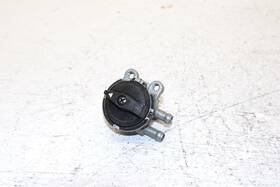
( Manufacturer Part Number: 51023-1404 ), ( Type: Fuel Injector )
Review KAWASAKI Oem Fuel Tap fits PRAIRIE 300 2000
The **Kawasaki 51023-1404 2000 Prairie 300 Fuel Tap (AK31.1)** is a precision-engineered replacement part designed exclusively for Kawasaki s legendary **Prairie 300** model, a classic off-road dirt bike known for its rugged performance and timeless design. This fuel tap serves as a critical component in the bike s fuel delivery system, controlling the flow of gasoline from the tank to the carburetor with seamless precision. Crafted from high-quality materials, the **AK31.1 fuel tap** ensures reliable operation, minimizing the risk of leaks or clogs that could disrupt your ride. Its robust construction is built to withstand the demands of off-road terrain, where vibrations and rough handling are common. The part is engineered to fit perfectly within the Prairie 300 s fuel line assembly, maintaining the bike s original functionality while offering durability for extended use. Whether you re restoring a vintage Prairie 300 or maintaining an existing one, this fuel tap is an essential upgrade or replacement option that upholds Kawasaki s reputation for dependable performance. Its straightforward yet effective design ensures smooth fuel flow, contributing to optimal engine efficiency and power delivery making it a must-have for any enthusiast seeking to preserve or enhance their bike s performance.
The Kawasaki 51023-1404 2000 Prairie 300 (specifically the model with the AK31.1 fuel tap) is a classic ATV designed for off-road use, particularly in agricultural, utility, and recreational settings. Below is a detailed breakdown of its pros and cons, followed by a conclusion and recommendation.
---
### **Pros:**1. **Reliability and Durability**
The Prairie 300 is built on Kawasaki s proven 286cc single-cylinder engine, which is known for its simplicity and longevity. Many owners report that with proper maintenance, these machines can last well beyond 10,000 hours. The robust frame and suspension are designed to handle rough terrain, making it a durable choice for heavy-duty work.
2. **Low Maintenance Costs**
Compared to modern ATVs, the Prairie 300 has fewer electronic components, reducing the risk of costly repairs. Parts are widely available, and the engine is straightforward to service. Owners often highlight that routine maintenance (oil changes, chain adjustments, spark plug replacements) is inexpensive and manageable.
3. **Off-Road Capability**
The Prairie 300 is engineered for off-road use, with features like a high ground clearance, robust suspension, and a durable drivetrain. It performs well on dirt roads, farms, and light trails, making it suitable for utility work or recreational riding in rugged areas.
4. **Fuel Efficiency**
The 286cc engine is relatively fuel-efficient for its class, especially when used for work rather than high-speed riding. The Prairie 300 typically consumes around 1.5 2 gallons per hour at moderate speeds, which is reasonable for an ATV of this size and era.
5. **Simplicity and Ease of Use**
The controls are intuitive, and the lack of complex electronics (e.g., no traction control, ABS, or advanced fuel injection) makes it easier to operate and repair. This simplicity also translates to lower training costs for operators.
6. **Resale Value and Community**
The Prairie 300 has a dedicated following, and parts are still readily available through Kawasaki dealers, aftermarket suppliers, and online communities. This ensures that finding replacements or upgrades is relatively straightforward. Additionally, the model s reputation for reliability attracts buyers, which can be beneficial if you decide to sell later.
7. **Versatility**
The Prairie 300 can be used for a variety of tasks, including hauling light loads (with optional accessories), mowing grass (with a front-mounted mower), snow removal (with a snowblower kit), and general farm or ranch work. Its compact size also makes it maneuverable in tight spaces.
8. **Cost-Effective for Utility Work**
For tasks like transporting tools, materials, or people across uneven terrain, the Prairie 300 offers a cost-effective alternative to larger or more expensive ATVs. Its price point (both initial purchase and ongoing costs) is significantly lower than modern ATVs with similar capabilities.
9. **Classic Design with Practical Features**
The Prairie 300 retains a utilitarian design that prioritizes functionality over aesthetics. Features like a sturdy roll bar, comfortable seating, and a straightforward control layout make it practical for long hours of work.
10. **Upgradability**
Many owners customize their Prairie 300s with aftermarket parts, such as upgraded suspension, exhaust systems, or performance chips. The engine s simplicity allows for relatively easy modifications to improve power or durability.
---
### **Cons:**1. **Outdated Technology**
The Prairie 300 lacks modern conveniences found in newer ATVs, such as:- **Electronic fuel injection (EFI)**: The AK31.1 carbureted system requires more frequent tuning and can be less reliable than modern fuel-injected engines.
- **Traction control or ABS**: These safety features are absent, which can be a concern on slippery or uneven terrain.
- **Digital dashboards**: The basic analog gauges (if any) provide limited information compared to modern LCD displays.
- **Hill descent control or automatic transmissions**: The manual transmission requires skill to operate, especially in challenging terrain.
2. **Comfort for Long Use**
The seating and ergonomics are not as refined as those in modern ATVs. Riders may experience fatigue during extended use, particularly on rough terrain. The lack of suspension travel compared to newer models can also lead to a harsher ride.
3. **Noise and Vibration**
The single-cylinder engine is inherently noisy and produces significant vibration, which can be uncomfortable over time. Ear protection and vibration-dampening gear (e.g., gloves, seat cushions) are often necessary for prolonged use.
4. **Limited Power for Heavy Loads**
While the 286cc engine is sufficient for light utility work, it struggles with heavy loads or steep inclines. Hauling large or heavy equipment may require additional assistance or a more powerful ATV. The top speed is also modest (around 40 50 mph), which may be limiting for some riders.
5. **Environmental and Emissions Concerns**
The carbureted engine is less efficient and produces more emissions than modern fuel-injected models. In areas with strict emissions regulations, you may face restrictions or require additional equipment (e.g., catalytic converters) to comply.
6. **Safety Features**
The Prairie 300 lacks modern safety features such as:- **Rollover protection systems (ROPS)**: While the roll bar provides some protection, it is not as comprehensive as the ROPS found on newer ATVs.
- **Seat belts or harnesses**: Many older ATVs lack these, increasing the risk of injury in a rollover.
- **Lights and reflectors**: Visibility features may be limited compared to modern ATVs, which often include LED lights and high-visibility markings.
7. **Resale Depreciation**
While the Prairie 300 retains some value, its age means it will depreciate over time. If you plan to upgrade later, the resale value may not cover the cost of a newer model. However, this is less of an issue if you intend to keep the ATV long-term.
8. **Part Availability Over Time**
While parts are still available, the supply chain for older Kawasaki models may become less reliable as the machine ages. Some specialized components (e.g., rare carburetor parts) could become harder to source in the future.
9. **Fuel and Lubricant Requirements**
The engine may require higher-quality fuel and oil than modern engines to prevent carbon buildup or wear. Using the wrong type of oil or fuel can lead to premature engine failure.
10. **Learning Curve for Maintenance**
While maintenance is simple, the lack of modern diagnostic tools means troubleshooting issues (e.g., engine misfires, carburetor problems) may require more time and expertise. Owners must be prepared to diagnose and fix problems themselves or rely on experienced mechanics.
---
### **Conclusion:**The Kawasaki 2000 Prairie 300 with the AK31.1 fuel tap is an excellent choice for those seeking a **reliable, low-maintenance, and cost-effective utility ATV** for off-road work, farming, or recreational riding. Its durability, simplicity, and availability of parts make it a practical machine for users who prioritize functionality over modern amenities. However, its outdated technology, lack of advanced safety features, and limited power for heavy tasks may be drawbacks for riders who demand higher performance, comfort, or safety.
This ATV is particularly well-suited for:- Light to moderate utility work (e.g., transporting tools, mowing, snow removal).
- Riders who enjoy the simplicity of a carbureted engine and don t require electronic assistance.
- Those operating in areas where modern ATVs are unnecessary or impractical.
- Enthusiasts who appreciate classic designs and are willing to invest time in maintenance.
It may not be ideal for:- Riders who need high-speed capability or heavy-duty hauling.
- Those who prioritize comfort, safety features, or modern technology.
- Users in areas with strict emissions regulations or those who require frequent off-road travel on varied terrain.
---
### **Recommendation:**If you are looking for a **practical, no-frills ATV for utility work or off-road recreation** and are comfortable with its limitations, the Kawasaki 2000 Prairie 300 is a solid purchase. Ensure you:
1. **Budget for maintenance**: Allocate funds for regular oil changes, chain lubrication, and carburetor adjustments to keep the engine running smoothly.
2. **Invest in safety gear**: Wear a helmet, gloves, and protective clothing to mitigate the risks associated with its age and lack of modern safety features.
3. **Check for pre-existing issues**: Before purchasing, inspect the engine, suspension, and drivetrain for signs of wear or damage. A thorough test ride is essential.
4. **Consider upgrades**: If you plan to use the ATV heavily, explore aftermarket parts (e.g., upgraded suspension, exhaust, or performance chips) to improve comfort and power.
5. **Store it properly**: Protect the ATV from the elements to prolong its lifespan, especially if it will be used intermittently.
For **heavy-duty work, high-speed riding, or modern convenience**, a newer ATV with fuel injection, traction control, and improved safety features would be a better investment. However, if you value **simplicity, reliability, and cost-effectiveness**, the Prairie 300 remains a fantastic choice for the right user.
Details:
Removed From: 2000 Kawasaki Prairie 300 4x4 with miles. 2000 Kawasaki Prairie 300 Oem Fuel Tap 51023-1404 AK31.1.: This fuel tap is in very good condition and shows normal signs of wear. Change your mind, don't need the part, or just wan't what you are looking for.
part #: 510231404 prices
- $50.37-$131.33
specifications carbthrotatv:
- for models: 300, Prairie
- for makes: Kawasaki
- for years: 2000
- mpn: 51023-1404
- type: Fuel Injector
shipping carbthrotatv:
- cost: $0.00
- carrier: USPS
- transit: 3-8 Days
- class: Expedited
- type: Fixed
- service: USPS Priority Mail
returns carbthrotatv:
- paid by: Seller
- time: 30 Days
- policy: Returns Accepted
general carbthrotatv:
- condition: Used
- ATV, Side-by-Side UTV Parts Accessories > Air Intake Fuel Delivery > Carburetors
offer carbthrotatv:
- started: March 25, 2026
- quantity: 1
- availability: In Stock
- best offers: True
- sold: 0
- options: Ship-to-home
seller carbthrotatv:
- city: Eau Claire, Wisconsin
- rating: 99.7%
- # reviews: 40027
payments carbthrotatv:
- other
- wallet: Paypal
- credit card: Diners-club
Kawasaki 51023-1404 Is Similar To:
- 0w3hkl Maxpeedingrods Carburetor Plug For Kawasaki Prairie (28.1% similar) 2ND at 5:00AM APR. If you paid item shipped on est. 1ST at 5:00AM APR. 7TH after APR. 1x throttle base cover. 1x cover washer. FAQ note: any free shipping promotion is valid to the 48 contiguous states. How much does delivery cost and long will it take. 1x base cover screw. Carburetor w plug for ...(February 16th, 2019)
- 15001-1332 Shape Good Kawasaki B2 86 Oem Klf300 Carb 87 300 Bayou Carburetor (27.3% similar) Free shipping in USA only. My name is troy. That is something that I do not charge, and have no control of...(August 14th, 2015)
- 15001-1533 Kawasaki Oem Carburetor Kaf540 (30.9% similar) Genuine oem kawasaki UTV part CARBURETOR-ASSY15001-1533RETAIL: 164. 85 parts search results assemblies where is USED2007 prior mule KAF540-C1 - CARBURETOR2007 KAF540-D1 KAF540-E1 carburetor...(May 18th, 2017)
- 15003-0106 Kawasaki Eliminator Carburetor Assembly New Oem 725984164264 (28.3% similar) The picture could be generic. New oem kawasaki carburetor assembly BS28OEM part number: 15003-0106ITEM only fits specific model's listed. New oem kawasaki carburetor assembly BS28OEM part number: 15003-0106ITEM only fits specific model's listed. Fits: 2006 eliminator the picture could be generic...(June 9th, 2018)
- 15003-1401 Kawasaki 400 Prairie Kvf400 (48.9% similar) Unless stated otherwise in the all parts listed are used and therefore sold as is condition with no warranty of any kind. The video for this 1998 kawasaki prairie 400 2X4 can be seen here. The complete bike pictured above is actual part was removed from. They may be included with the part free of ...(June 5th, 2017)
- 15003-1415 Kawasaki Prairie Carburetor (38.3% similar) Carburetor is in good shape. Looks great. This 1998 kawasaki prairie KVF400-A 4X4 has been completely parted out and is currently up for offer here on. Many of the parts from this bike may fit other years, makes, or model's. Until disassembled to be sold for parts here on. Carburetor was in ...(June 19th, 2018)
- 15003-1678 Kawasaki New Oem 725984164424 (33.3% similar) Fits: 2003 laze-r 2004 other marketing names. The picture could be generic. New oem kawasaki carburetor assembly oem part number: qty 1 item only fits specific model's listed. New oem kawasaki carburetor assembly oem part number: qty 1 item only fits specific model's listed...(July 23rd, 2018)
- 15003-1686 2003 Kvf Kawasaki 4x4 05 2005 03 2004 Prairie 360 Carb Carburetor 04 (44.4% similar) Has been cleaned. These are used parts that are sometimes dirty or greasy, and usually have wear and or tear to them. These partway fit other years or model's. All jets are clear and functioning properly. Good usable condition. Sometimes a picture does not show all visual imperfections in fact, ...(August 14th, 2015)
- 15003-1743 Kawasaki Bayou Carb Carburetor New Oem 641785122367 (30.5% similar) The picture could be generic. Fits: 1998 bayou 300 4X4 1999 2000 2001 2002 2003 2004 . New oem kawasaki carburetor assembly oem part number: 15003-1743ITEM only fits specific model's listed. New oem kawasaki carburetor assembly oem part number: 15003-1743ITEM only fits specific model's ...(July 5th, 2018)
- 15003-7044 Kawasaki Oem Carb 15003-7078 Fh641v (33.3% similar) New oem Kawasaki carb that fits FH641V every spec...(January 5th, 2017)
- 15003-7080 Kawasaki Engine Carburetor Assembly New Oem 782708806633 (29.3% similar) The picture could be generic. New oem kawasaki engine carburetor assembly oem part number: 15003-7080ITEM only fits specific model's listed. New oem kawasaki engine carburetor assembly oem part number: 15003-7080ITEM only fits specific model's listed...(November 9th, 2018)